Your skin feels like sandpaper. Products that worked fine last month now sting like you’ve applied hot sauce to your face. And no matter how much moisturizer you pile on, your skin still feels thirsty an hour later.
If this sounds like your daily reality, you’re dealing with the double whammy of dry and sensitive skin. And finding the right moisturizer isn’t just about picking the fanciest bottle on the shelf.


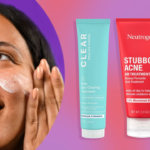
Here’s what you need to know to find a moisturizer that actually works.
Understanding Dry vs. Sensitive Skin (And Why You Might Have Both)
Let’s clear something up first. Dry skin and sensitive skin aren’t the same thing, but they love to show up together like that annoying couple at parties.
Dry skin happens when your skin barrier can’t hold onto moisture effectively. Think of it like a leaky bucket that can’t keep water in.
Sensitive skin reacts to pretty much everything. It gets red, itchy, and irritated faster than you can say “hypoallergenic.” According to dermatologists, a weaker skin barrier makes you more prone to irritation.
When you have both? Your skin is basically throwing a tantrum 24/7.
The challenge is finding products that provide serious hydration without triggering that sensitivity. That’s where the science of moisturizer formulation comes in.
What Your Moisturizer Actually Needs to Do
A good moisturizer for dry, sensitive skin needs to pull off three jobs simultaneously.
First, it needs to add moisture to your skin. This is where humectants like hyaluronic acid come in. Research shows that hyaluronic acid can hold up to 1,000 times its weight in water, making it incredibly effective at hydrating and plumping the skin.
Second, it needs to prevent moisture from escaping. That’s the job of occlusives, which create a protective barrier on your skin’s surface.
Third, it needs to actually repair your skin barrier. This is where ceramides become crucial. Studies show that moisturizers with ceramides can help repair the skin barrier, especially in people with dry, sensitive, or compromised skin.
Without all three elements working together, you’re basically trying to fill that leaky bucket without plugging the holes.
The Essential Ingredients to Look For
Not all moisturizer ingredients are created equal. Some are backed by solid science, while others are just expensive marketing hype.
Ceramides are your barrier’s best friend. These natural lipids are found in your skin’s outermost layer and work like mortar holding bricks together. Ceramides create a protective barrier that locks moisture in while keeping irritants and environmental stressors out.
Most effective formulations combine ceramides with cholesterol and fatty acids in what dermatologists call the “golden ratio” for skin barrier support.
Hyaluronic acid provides instant hydration. This humectant can attract moisture from your environment into your skin. The best formulations use multiple molecular weights of hyaluronic acid to hydrate different levels of your skin’s surface.
Niacinamide does multiple jobs at once. This form of vitamin B3 doesn’t just hydrate. Research indicates that niacinamide concentrations can improve both barrier function and visible tone, while also helping boost your skin’s own natural ceramide production.
Glycerin is the reliable workhorse. It might not be fancy, but glycerin is one of the most effective humectants for drawing moisture into your skin and keeping it there.
What to Absolutely Avoid
Some ingredients are deal-breakers for sensitive skin, no matter how “miracle” the marketing claims.
Fragrance is enemy number one. Even “natural” fragrances can cause problems. Dermatologists point out that fragrances are common allergens and can cause inflammation that leads to flakiness and itchiness.
Products labeled “unscented” are safer than those labeled “fragrance-free” with added “natural fragrance.” That “natural fragrance” umbrella includes hundreds of ingredients that can irritate sensitive skin.
Alcohol-based formulas dry you out more. Products with drying alcohols like alcohol denat, isopropyl alcohol, or ethanol will make your dry skin worse, not better.
Essential oils aren’t as gentle as they sound. Just because something comes from a plant doesn’t mean it’s good for sensitive skin. Many essential oils are highly irritating.
Harsh exfoliants have no place here. Save the physical scrubs and strong chemical exfoliants for when your skin barrier is healthy. Right now, they’ll only make things worse.
Texture Matters More Than You Think
The consistency of your moisturizer should match both your skin type and the season.
Gels and lightweight lotions work well for oily or combination skin types, even when sensitivity is an issue. Dermatologists note these formulations are practical for acne-prone sensitive skin and can be used during warm months.
Creams and ointments are ideal for dry or mature skin types. These richer formulations provide more barrier protection, which is essential for dry or compromised skin.
If you’re stuck between two options, try patch-testing on your neck or jawline first. This lets you see how your skin responds without risking your entire face.
The Best Types of Moisturizers for Different Needs
Not everyone with dry, sensitive skin has the same needs. Here’s how to narrow down your options.
For very dry skin that flakes and cracks: Look for thick creams with ceramides, shea butter, and hyaluronic acid. These rich formulations provide the intense moisture your skin desperately needs.
For sensitive skin that reacts to everything: Stick with minimal ingredient lists. The fewer ingredients, the less chance of triggering a reaction. Products recommended by the National Eczema Association are generally safe bets.
For combination skin that’s dry and sensitive in patches: A lightweight lotion with ceramides and niacinamide can balance hydration across different zones of your face without overwhelming oily areas.
For mature, dry, sensitive skin: Rich creams with peptides, ceramides, and hyaluronic acid address both moisture needs and signs of aging without irritation.
What Dermatologists Actually Recommend
According to surveys of dermatologists, certain brands consistently rise to the top for dry, sensitive skin.
CeraVe products are dermatologist favorites for good reason. All CeraVe products are formulated with ceramides and many contain niacinamide to calm inflammation. The formulations are noncomedogenic, oil-free, and fragrance-free.
La Roche-Posay specializes in sensitive skin. Their products often contain prebiotic thermal water with anti-inflammatory properties to calm redness, along with ceramides and niacinamide.
Vanicream keeps it simple and effective. These products don’t contain common irritants like dyes, fragrances, parabens, lanolin, and formaldehyde. Instead, they focus on ceramides to hydrate and moisturize skin.
Neutrogena Hydro Boost line delivers serious hydration. The formulations feature hyaluronic acid and are clinically proven to deliver hydration that lasts, with fragrance-free options for sensitive skin.
How to Apply Your Moisturizer for Maximum Effect
Even the best moisturizer won’t work if you’re applying it wrong.
Timing is everything. Apply moisturizer within three minutes of cleansing while your skin is still slightly damp. This helps lock in hydration while your pores are open.
Less is often more. A pea-sized amount for your face is usually enough. More product won’t absorb better; it’ll just sit on your skin.
Use the right layering method. Apply products from thinnest to thickest consistency. Hydrating serums go first, then moisturizer, then any occlusive creams or oils if desired.
Don’t forget your neck. The skin on your neck is just as vulnerable to dryness and needs moisturizer too.
Morning vs. Night Moisturizing Strategy
Your skin has different needs at different times of day.
In the morning, lighter formulations work better under makeup and sunscreen. Gel-creams or lightweight lotions absorb quickly and create a good base for other products.
At night, your skin can handle richer formulations. This is when you want to bring out the heavy-duty creams with ceramides and peptides. Your skin does most of its repair work while you sleep, so give it the tools it needs.
And yes, you need sunscreen during the day even if your skin is dry and sensitive. Look for mineral sunscreens with zinc oxide or titanium dioxide, which dermatologists recommend as gentler options for sensitive skin.
What About Price? Does Expensive Mean Better?
Here’s the truth: you don’t need to spend your rent money on moisturizer.
Dermatologist surveys consistently rank drugstore brands like CeraVe, Vanicream, and Neutrogena among the best options for dry, sensitive skin. These products typically cost between $15 and $25.
The most expensive option isn’t automatically the best. What matters is the formulation, not the price tag or fancy packaging.
That said, some higher-end products do use advanced delivery systems and unique ingredient combinations. If you can afford them and they work for you, great. But don’t think budget-friendly options won’t deliver results.
Special Considerations for Different Situations
Sometimes your skin needs extra attention beyond regular moisturizing.
After treatments like chemical peels or microneedling: Your barrier is disrupted and needs serious repair support. Use the gentlest, most barrier-focused products possible. Hyaluronic acid with ceramides is ideal for keeping skin hydrated after treatments.
During extreme weather changes: Your skin reacts to environmental shifts. You might need a richer formula in winter and a lighter one in summer. Stock up on both.
If you’re using active ingredients: Products like retinol and vitamin C can increase sensitivity. Use a basic, fragrance-free moisturizer to calm your skin and consider applying moisturizer before your actives to buffer them.
For eczema, rosacea, or dermatitis: These conditions require extra gentle care. Look for products specifically approved by relevant organizations like the National Eczema Association.
How Long Before You See Results?
Patience isn’t fun, but it’s necessary.
Most people start noticing improved hydration within one week of using the right moisturizer. Your skin should feel less tight and more comfortable pretty quickly.
Sustained results take about four weeks. This is how long it takes for consistent use to make a real difference in your barrier function and overall skin health.
If you’re not seeing any improvement after six weeks, something isn’t working. Either the formula isn’t right for you, or there’s an underlying condition that needs professional attention.
When to See a Dermatologist
Sometimes DIY skincare isn’t enough.
See a professional if your dry, sensitive skin isn’t improving with over-the-counter products after six weeks of consistent use.
Also seek help if you’re experiencing intense itching that disrupts your daily activities or sleep, pain or severe discomfort, signs of infection like increased redness or warmth, cracking or bleeding skin, or symptoms that significantly impact your quality of life.
A dermatologist can prescribe stronger barrier repair treatments, test for underlying conditions like eczema or psoriasis, and rule out allergies to specific ingredients.
Building Your Complete Routine
A good moisturizer is essential, but it needs supporting players.
Start with a gentle, pH-balanced cleanser. Research recommends cleansing with products that maintain skin’s pH around 4.0 to 5.8 to avoid stripping essential oils.
Follow with your moisturizer while skin is still damp. If you use any serums, apply them before your moisturizer.
Finish with sunscreen in the morning. At night, you can add a facial oil or occlusive balm on top of your moisturizer if your skin is extremely dry.
Keep it simple. The more products you pile on, the higher the chance of irritating your sensitive skin.
Common Mistakes That Make Things Worse
Even with good intentions, people sabotage their skin all the time.
Over-cleansing strips your skin. Washing your face more than twice a day removes the natural oils your dry skin desperately needs.
Using hot water damages your barrier. Hot water might feel good, but it’s terrible for dry, sensitive skin. Stick to lukewarm water.
Changing products too frequently. Your skin needs time to adjust to new products. Give each moisturizer at least four weeks before deciding it doesn’t work.
Skipping moisturizer because your skin feels oily. Sometimes dry skin overproduces oil to compensate. Moisturizing actually helps regulate this.
Using too many active ingredients at once. Your compromised barrier can’t handle a ten-step routine with acids, retinol, and vitamin C all at once.
The Bottom Line
Finding the best moisturizer for dry, sensitive skin isn’t about buying the most expensive product or following every trend.
It’s about understanding what your skin actually needs: ceramides to repair your barrier, humectants to draw in moisture, and occlusives to keep it all locked in. All without the fragrances, alcohols, and irritants that trigger your sensitivity.
Look for dermatologist-approved formulas with minimal ingredients. Stick with fragrance-free options. Give products time to work before switching to something else.
Your skin might be high-maintenance, but it’s not impossible to satisfy. With the right moisturizer and a little patience, you can stop feeling like your face is constantly on fire and start feeling comfortable in your own skin again.
And remember: the goal isn’t perfect, Instagram-filter skin. It’s healthy, functional skin that doesn’t make you miserable. That’s a goal worth working toward, one properly formulated moisturizer at a time.