Your face feels greasy by noon. Those tiny bumps on your forehead won’t go away. And every time you try a new face wash, you either break out worse or your skin gets so dry it feels like the Sahara Desert.
Finding the right face wash for acne-prone skin shouldn’t feel like solving a complex math equation. But between salicylic acid, benzoyl peroxide, and about a million other ingredients claiming to be the next miracle cure, it’s easy to feel lost.

Here’s what actually works, backed by dermatologists and real science.
Why Your Face Wash Actually Matters for Acne
Let’s get one thing straight: washing your face won’t magically cure acne overnight. But it’s the foundation of any effective acne treatment routine.
According to dermatologists, facial cleansers help eliminate excess oil, dirt, buildup, and makeup which can contribute to clogged pores and breakouts if not removed. Think of your cleanser as setting the stage—it removes the gunk so your acne treatments can actually penetrate your skin and do their job.
Skip this step or use the wrong cleanser, and you’re basically trying to paint over dirt. Not a great strategy.
The Two Powerhouse Ingredients You Need to Know
When it comes to acne-fighting face washes, two ingredients dominate the conversation: salicylic acid and benzoyl peroxide.
Salicylic Acid: The Pore Unclogger
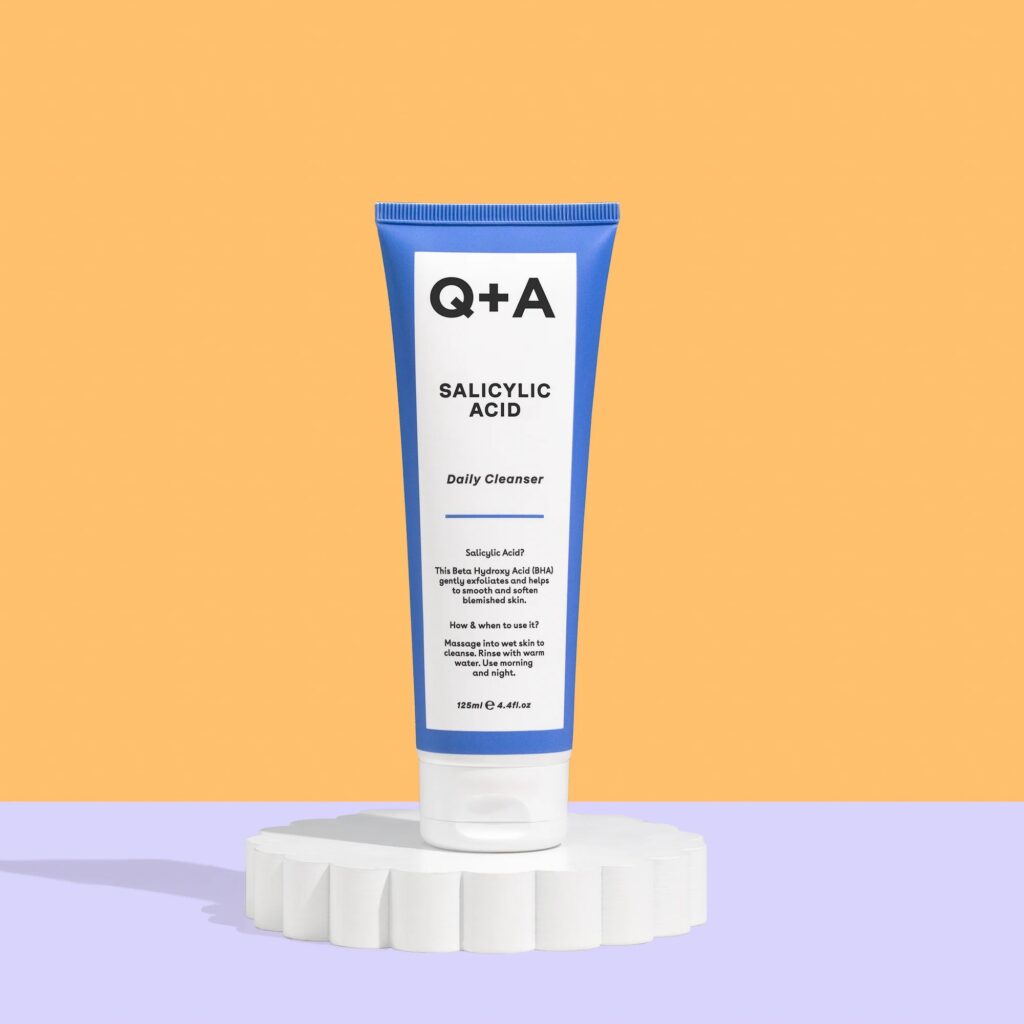
Salicylic acid is a beta-hydroxy acid that works by loosening the bonds that hold dead skin cells together. This chemical exfoliant penetrates deep into your pores to dissolve the buildup of oil and debris.
What makes salicylic acid special is that it’s lipid-soluble, meaning it can dissolve in oil. This allows it to get deep into your pores where blackheads and whiteheads form.
Research shows that salicylic acid is particularly effective at reducing comedones, which are those annoying clogged pores that turn into blackheads and whiteheads. In studies, patients treated with salicylic acid cleanser showed significant improvement in clearing these types of acne.
Over-the-counter products typically contain 0.5% to 2% salicylic acid, with higher concentrations available in products designed to be washed off.
Benzoyl Peroxide: The Bacteria Killer
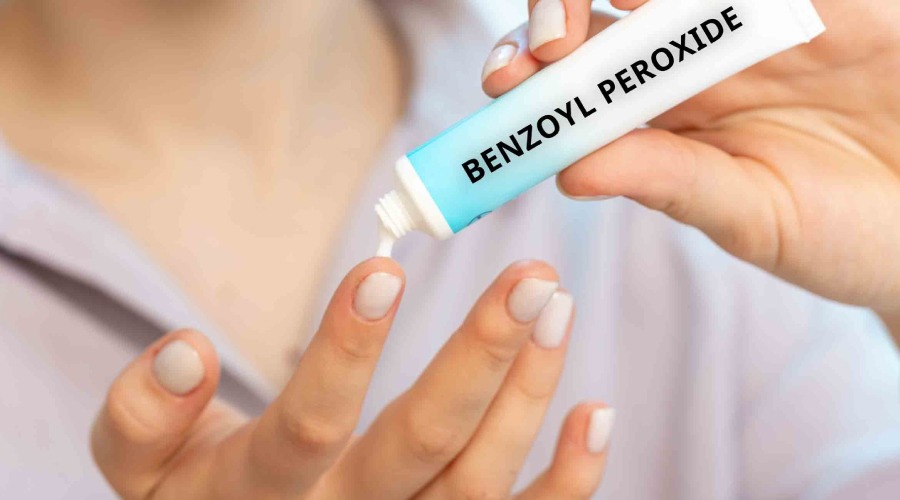
Benzoyl peroxide takes a different approach. Instead of just unclogging pores, it actually kills the acne-causing bacteria known as P. acnes.
According to dermatologists, benzoyl peroxide delivers oxygen into your pores, creating an oxygen-rich environment where acne-causing bacteria struggles to survive. It’s also anti-inflammatory, which helps reduce the redness and swelling associated with pimples.
The catch? Benzoyl peroxide is more drying and irritating than salicylic acid. It can also bleach your towels and pillowcases, so apply with caution.
Over-the-counter benzoyl peroxide cleansers range from 2.5% to 10%, with dermatologists often recommending starting with lower concentrations to minimize irritation.
Which Ingredient Should You Choose?
Here’s the honest truth: it depends on your type of acne.
Choose salicylic acid if you’re dealing with: blackheads, whiteheads, oily skin, sensitive skin that reacts easily, or mild acne that’s more about clogged pores than inflammation.
Salicylic acid is generally gentler and less likely to cause irritation, making it the safer bet for people with reactive skin.
Choose benzoyl peroxide if you have: red, inflamed pimples (pustules), moderate to severe acne, bacterial acne that keeps coming back, or skin that can tolerate stronger ingredients.
Research indicates that benzoyl peroxide is superior for treating inflammatory acne due to its antimicrobial and antioxidant effects. However, combining both ingredients often provides better results than using either one alone.
Understanding Your Skin Type Makes All the Difference
Your skin type dramatically affects which face wash will work for you.
For Oily, Acne-Prone Skin
If your skin is constantly shiny and you could probably fry an egg on your T-zone by lunchtime, gel-based or foaming cleansers work best.
Dermatologists note that gel and foaming cleansers are practical for oily and acne-prone skin because they remove excess oil without leaving residue. Look for formulations with salicylic acid, benzoyl peroxide, or clay to absorb oil.
For Dry, Acne-Prone Skin
Yes, dry skin can have acne too. The management is tricky because many effective acne treatments are drying.
Dermatologists recommend cream-based cleansers for dry skin types. These provide hydration while still addressing acne. Look for gentle formulations with ceramides, niacinamide, or hyaluronic acid to maintain moisture while treating breakouts.
Avoid foaming cleansers—they’ll strip your already-dry skin and make things worse.
For Sensitive, Acne-Prone Skin
If your skin freaks out at the slightest provocation, you need to be extra careful with active ingredients.
A pH-balanced cleanser free from sulfates, fragrances, and harsh chemicals is essential. Products containing ingredients like bromelain to reduce inflammation and apple amino acids for hydration work well for sensitive types.
Start with lower concentrations of active ingredients. A 0.5% to 2% salicylic acid cleanser is better tolerated than jumping straight to 10% benzoyl peroxide.
For Combination Skin
When your T-zone is an oil slick but your cheeks are dry, finding the right balance is key.
Many dermatologists recommend gentle, non-comedogenic cleansers that clean without over-drying. Products with niacinamide help control oil in oily areas while maintaining hydration in dry patches.
What Makes a Good Acne Face Wash
Beyond the star ingredients, several factors separate mediocre cleansers from great ones.
pH balance matters more than you think. Research recommends cleansing with products that maintain skin’s pH around 4.0 to 5.8 to avoid stripping essential oils. Your skin’s natural pH is slightly acidic, and maintaining that balance helps your barrier function properly.
Non-comedogenic formulation is non-negotiable. According to dermatologists, all cleansers used on acne-prone skin should be non-comedogenic, meaning they won’t clog your pores. Using a pore-clogging face wash is like trying to bail water out of a boat with a hole in it.
Supporting ingredients make a difference. The best acne cleansers combine acne-fighters with soothing and hydrating ingredients like niacinamide, ceramides, hyaluronic acid, and green tea extract to minimize irritation.
Fragrance should be avoided. Fragrance is an unnecessary irritant that offers zero benefits for acne. Skip it entirely.
Dermatologist-Recommended Products That Actually Work
Certain brands consistently receive high marks from dermatologists and users alike.
CeraVe Acne Control Cleanser is a top pick. This gel-to-foam cleanser contains 2% salicylic acid plus oil-absorbing hectorite clay to control shine. Dermatologists praise its combination of salicylic acid with ceramides and niacinamide, noting it helps reduce breakouts without causing excessive dryness.
Neutrogena Oil-Free Acne Wash remains a classic. With 2% salicylic acid, dermatologists note that most patients tolerate it very well and it works without overly drying the skin. It’s been around for years because it actually delivers results.
La Roche-Posay Effaclar Medicated Gel Cleanser combines effectiveness with gentleness. It contains salicylic acid along with thermal spring water and ceramides to cleanse while supporting the skin barrier.
CeraVe Acne Foaming Cream Cleanser uses benzoyl peroxide. With 4% benzoyl peroxide plus hyaluronic acid and ceramides, dermatologists like this option because it treats acne while maintaining skin hydration, reducing the drying effect typical of benzoyl peroxide products.
What to Absolutely Avoid in Your Face Wash
Some ingredients and formulations will make your acne worse, not better.
Harsh soaps and sulfates strip your skin. Harsh cleansers remove your skin’s natural oils, triggering increased oil production to compensate. This creates a vicious cycle where your skin gets oilier and breaks out more.
Physical scrubs damage your skin. Those grainy exfoliating scrubs with walnut shells or apricot kernels? Dermatologists warn that abrasive scrubs can injure the skin and potentially lead to worsening irritation and breakouts.
Alcohol-based formulas over-dry your skin. When your skin gets too dry, it overproduces oil to compensate, making acne worse.
Heavy oils and occlusives clog your pores. Rich, creamy formulations designed for dry skin can be breeding grounds for blemish formation on acne-prone skin.
How to Actually Use Your Acne Face Wash
You can have the best cleanser in the world, but if you’re using it wrong, you won’t see results.
Wash your face twice a day maximum. Morning and evening should suffice. Dermatologists caution that washing more than two to three times daily leads to over-drying, which triggers your skin to produce more oil and potentially causes more breakouts.
Use lukewarm water, not hot. Hot water damages your skin barrier and makes acne worse. Stick to tepid or cool water.
Be gentle with your application. Apply a quarter-sized amount to damp skin and massage in circular motions using your fingertips for about 30 to 60 seconds. No scrubbing, no washcloths, no cleansing brushes unless your dermatologist specifically recommends them.
Rinse thoroughly. Leftover cleanser residue can clog pores and cause irritation.
Pat dry, don’t rub. Rubbing your face with a towel creates friction that can irritate acne-prone skin. Gentle pats are all you need.
Cleanse immediately after sweating. Exercise sweat can worsen acne if left sitting on your skin. Wash your face as soon as possible after working out.
Building Your Complete Acne Routine
Your face wash is just the first step. Here’s how to build an effective routine around it.
After cleansing, dermatologists recommend applying products from thinnest to thickest consistency. Start with any treatment serums or gels, then moisturize, then apply sunscreen in the morning.
Yes, you need moisturizer even with oily, acne-prone skin. Look for oil-free, non-comedogenic formulations that provide hydration without clogging pores. Skipping moisturizer when using acne treatments often leads to excessive dryness and irritation.
Sunscreen is non-negotiable. Many acne treatments increase sun sensitivity, and sun exposure can worsen acne and increase scarring risk. Use a broad-spectrum SPF 30 or higher daily.
Common Mistakes That Make Acne Worse
Even with good intentions, these mistakes sabotage your progress.
Over-washing your face is counterproductive. Dermatologists emphasize that overwashing strips natural oils, causing your skin to overproduce oil to compensate. This creates an environment conducive to acne.
Using too many active ingredients at once overwhelms your skin. Don’t use salicylic acid in your cleanser, toner, serum, and moisturizer. Pick one product with actives and keep the rest gentle and supportive.
Not giving products time to work leads to product hopping. Cleansers require a good amount of time to work, usually taking up to two weeks to one month to see visible results. Dermatologists recommend allowing at least a month of consistent use before making changes.
Expecting your cleanser to cure your acne sets you up for disappointment. Face wash is important but it’s on your skin for maybe 60 seconds. Leave-on treatments like benzoyl peroxide gels or prescription retinoids do the heavy lifting.
Skipping moisturizer because you’re oily makes things worse. Dry, dehydrated skin produces more oil to compensate. Moisturizer helps maintain your skin barrier and actually reduces oil production over time.
What About Natural and Gentle Options?
Not everyone can tolerate strong active ingredients, and that’s okay.
Green tea extract offers antioxidant benefits. Research suggests that green tea’s natural antioxidants may help reduce sebum production while helping acne heal, making it a gentler alternative for sensitive skin.
Niacinamide works for multiple skin concerns. Dermatologists note that niacinamide helps minimize excess sebum for oily, acne-prone skin while calming and reinforcing the skin barrier for dry and sensitive types.
Gentle, pH-balanced cleansers without actives can work. If you’re using prescription acne medications or strong leave-on treatments, dermatologists often recommend simple, gentle cleansers that won’t add extra irritation.
Products with ceramides, hyaluronic acid, and minimal ingredients effectively cleanse without stripping your skin or interfering with other acne treatments.
When Your Face Wash Isn’t Enough
Sometimes over-the-counter cleansers can only do so much.
See a dermatologist if your acne hasn’t improved after six weeks of consistent use with a good cleanser and routine, you’re experiencing severe pain or cystic acne, your acne is leaving scars, or breakouts significantly impact your quality of life.
Dermatologists can prescribe stronger treatments like topical retinoids, oral antibiotics, or isotretinoin for severe cases. They can also help identify if something else is causing your acne, like hormonal imbalances or underlying health conditions.
Special Considerations for Different Types of Acne
Different acne types need different approaches.
For hormonal acne (typically around the jawline and chin), gentle cleansers combined with targeted treatments work best. Hormonal acne often needs internal treatment, so cleansers alone won’t solve the problem.
For teenage acne, products with benzoyl peroxide or salicylic acid are generally well-tolerated and effective. Education about not over-washing is especially important for this age group.
For adult acne, which often appears alongside dry or sensitive skin, cream-based cleansers with lower concentrations of active ingredients prevent over-drying.
For body acne (bacne), you can use the same active ingredients but in wash-off formulations designed for larger surface areas. Products with 10% benzoyl peroxide can work well for body breakouts.
The Bottom Line on Acne Face Washes
Finding the best face wash for acne-prone skin doesn’t require a PhD in chemistry, but it does require understanding a few key principles.
Choose your active ingredients based on your acne type—salicylic acid for blackheads and whiteheads, benzoyl peroxide for inflammatory acne. Match your cleanser texture to your skin type—gels for oily skin, creams for dry skin.
Keep your routine simple. A good cleanser, gentle moisturizer, and sunscreen form the foundation. Add targeted treatments as needed, but don’t overdo it.
Most importantly, be patient and consistent. Cleansers need at least a month to show results, and constantly switching products resets your progress.
Your face wash won’t cure your acne overnight. But the right one, used correctly and consistently, sets the stage for clearer skin. And that’s a solid foundation to build on, one gentle cleanse at a time.