Let’s talk about something that’s probably sitting in your bathroom cabinet right now—sunscreen. When temperatures soar and you’re planning beach trips, outdoor workouts, or just grabbing coffee on a sunny patio, that little bottle becomes your skin’s best friend. But here’s the thing: most of us are doing it wrong.
I’m not here to lecture you (promise!). Instead, let’s dive into what actually works when the heat is on.

Why Hot Weather Changes Everything
Skin cancer is the most common cancer in the United States, and here’s a sobering fact: more than 9,500 people are diagnosed with skin cancer every day in the U.S. The sun doesn’t mess around, especially during those scorching summer months.
When it’s hot outside, you’re dealing with a perfect storm. The sun sits higher in the sky between late spring and early fall, pumping out stronger UV rays. Add humidity, sweat, and water activities to the mix, and suddenly your morning sunscreen application feels like ancient history by lunchtime.
Think of UV rays like invisible bullies. UVB rays damage the outermost layers of your skin, causing sunburns and blistering in severe cases. Meanwhile, UVA rays penetrate deeper into your skin, contributing to premature aging and skin cancer. Neither one is playing nice.
The SPF Numbers Game (And Why Higher Isn’t Always Better)
Walk down any drugstore aisle and you’ll see SPF 15, 30, 50, even 100. So what’s the magic number?
Dermatologists recommend using sunscreen with SPF 30 or higher that is broad-spectrum and water resistant. Here’s why: SPF 30 blocks approximately 96.7 percent of UV radiation, while SPF 50 blocks about 98 percent. That’s not a huge jump, which is why slathering on SPF 100 won’t turn you into a UV-proof superhero.
The real kicker? SPF level does not correspond to how long the sunscreen lasts on your skin. You can’t wear SPF 100 once and call it a day. No matter what number is on that bottle, you’ve got to reapply.
Mineral vs. Chemical: The Great Sunscreen Debate
Sunscreen comes in two main types, and understanding the difference can help you pick what works for your skin.
Physical sunscreens contain titanium dioxide, zinc oxide, or both, and dermatologists often recommend them for people with sensitive skin. These mineral blockers sit on top of your skin like a shield, reflecting UV rays away. They work immediately and are gentler on reactive skin.
Chemical sunscreens, on the other hand, absorb UV rays after penetrating your skin. Chemical sunscreens tend to be easier to rub in and for the skin to absorb, making them popular for daily wear, especially under makeup.
Both work. The best sunscreen is the one you’ll actually use.
Hot Weather Application: You’re Probably Doing It Wrong
Here’s where most people mess up. When you’re dealing with hot, humid conditions, your approach needs to shift.
In hot and humid conditions, lightweight lotions, gels, or fluid mineral sunscreens are ideal as they absorb quickly and don’t leave a greasy residue. Nobody wants to feel like they’re wearing a mask when it’s 95 degrees outside.
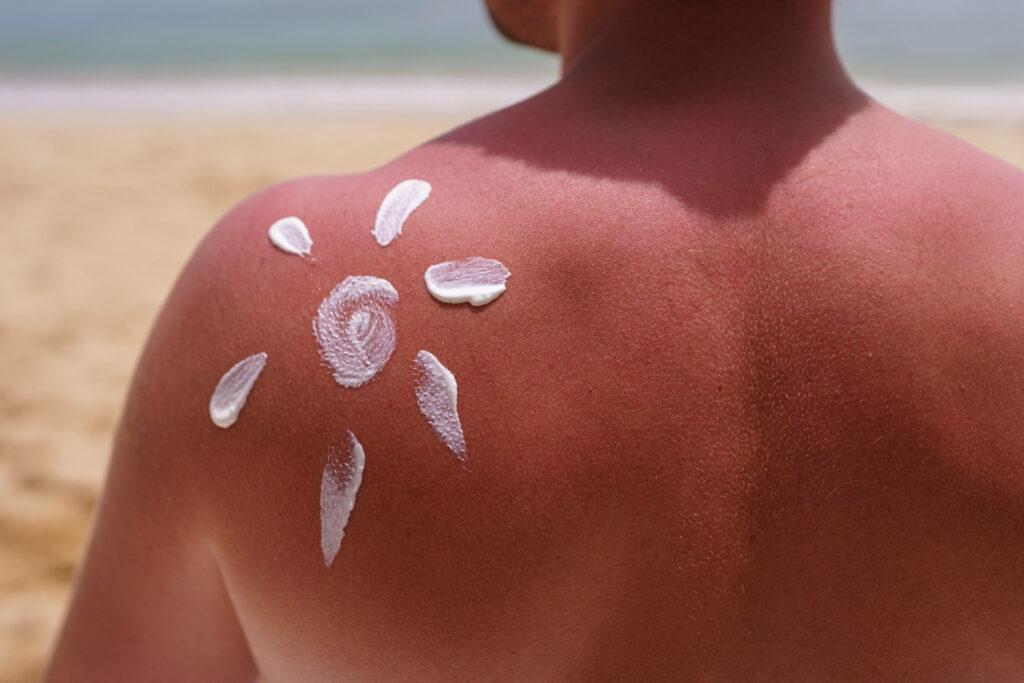
For those marathon beach days, water-resistant sunscreens last either 40 or 80 minutes in water. This is crucial information. “Water-resistant” doesn’t mean waterproof (that doesn’t exist), so don’t let the label fool you.
Every application should use about an ounce of sunscreen, roughly enough to fill a shot glass. Most people use way less than this, which means you’re not getting the protection listed on the bottle.
The Reapplication Rule Everyone Ignores
Let’s be real: who actually reapplies sunscreen every two hours? But here’s why you should care.
Sunscreen should be reapplied at least every two hours when you’re outside, and even more frequently if you’re swimming or actively sweating. This isn’t just a suggestion—it’s the difference between protection and a painful sunburn.
Swimming or exercising can weaken and wash off sunscreen within 45 minutes to an hour. So if you’re playing beach volleyball or doing a hot yoga session in the park, set a timer for every hour.
Research shows something interesting: applying sunscreen 15 to 30 minutes before sun exposure, then reapplying 15 to 30 minutes after sun exposure begins, provides optimal protection. That double-layer approach gives you maximum coverage right when you need it most.
Special Hot Weather Scenarios
Beach and Pool Days
When you’re spending extended time in or around water, upgrade to at least SPF 50. Apply sunscreen before swimming, then reapply immediately after getting out of the water. Don’t forget often-missed spots like the tops of your feet, ears, and the back of your neck.
Outdoor Workouts
Sport sunscreens are designed to be nonsticky and won’t run into your eyes as you sweat. Look for formulas specifically labeled for athletic use. They’re formulated to stay put during movement.
Road Trips and Driving
Here’s something many people don’t know: UVA rays penetrate through most window glass, even when you’re indoors or in your car. If you’re on a long drive with sun streaming through the windows, you need protection.
Avoiding Common Hot Weather Mistakes
Don’t make these errors when temperatures climb:
Never rely solely on makeup with SPF. Products with SPF in makeup foundations may only offer SPF 15 to 30, which may not be enough for extended outdoor exposure. Use real sunscreen first, then add makeup if desired.
Avoid thinking clouds mean safety. UV rays penetrate cloud cover, so protect yourself even on overcast days.
Don’t store sunscreen in your car. Extreme heat degrades the active ingredients, making it less effective.
Skip the tanning bed “base tan” myth. A base tan is actually a sign of skin damage and does not provide protection against sunburns.
Making Reapplication Actually Happen
Let’s tackle the biggest barrier: actually remembering to reapply. Here are practical solutions:
Keep travel-size sunscreen in your bag, car, and gym locker. Setting a reapplication reminder on your phone helps you stay on track with your SPF routine.
For face reapplication over makeup, lightweight powder or stick sunscreens make touch-ups easy without disturbing your look. They’re game-changers for women who wear makeup daily.
Choose enjoyable formulas. If your sunscreen feels gross, you won’t use it. Try different textures until you find one that feels good on your skin.
Beyond Sunscreen: Complete Hot Weather Protection
Sunscreen alone cannot fully protect you, so dermatologists recommend additional steps like seeking shade and wearing sun-protective clothing.
The sun’s rays are strongest between 10 a.m. and 2 p.m. If your shadow is shorter than you, seek shade immediately. Use UPF 50 sun protection clothing, long-sleeved shirts, and wide-brimmed hats for maximum protection during peak hours.
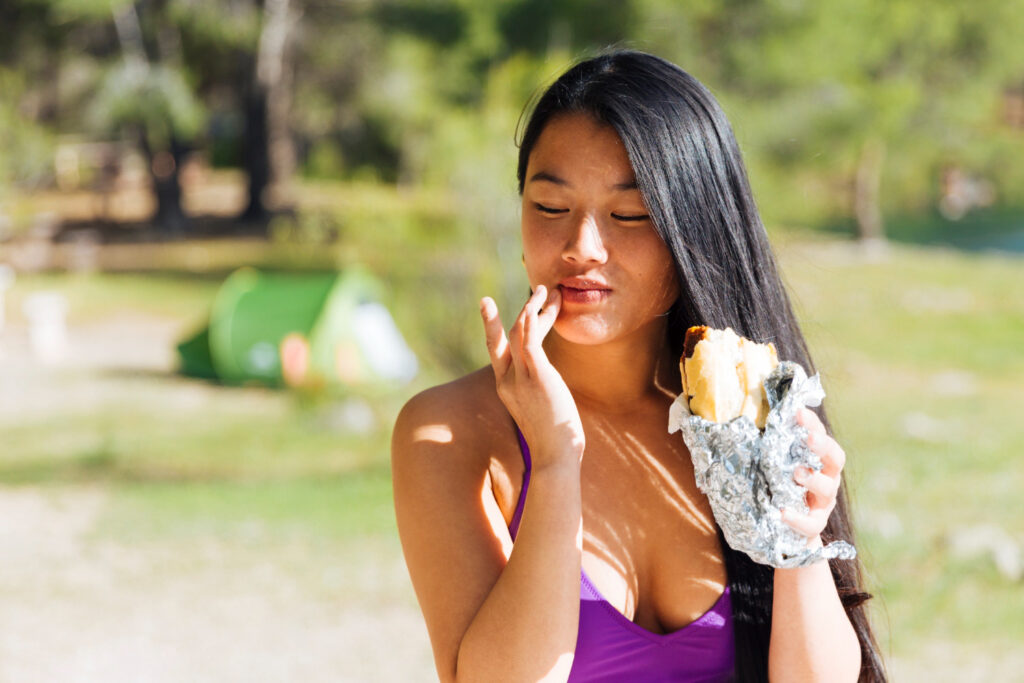
Don’t forget accessories. Sunglasses protect the delicate skin around your eyes, and wide-brimmed hats shade your face and neck. Small sun protection travel umbrellas provide portable shade in cities where building shade isn’t available.
The Bottom Line on Sun Safety
Look, I get it. Remembering to reapply sunscreen every two hours sounds tedious. Choosing the right SPF feels overwhelming. And yes, some sunscreens feel uncomfortable in hot weather.
But here’s the reality: about 90 percent of nonmelanoma skin cancers are associated with exposure to UV radiation from the sun. Experiencing five or more blistering sunburns between ages 15 and 20 increases melanoma risk by 80 percent. These aren’t just statistics—they’re real consequences of skipping sun protection.
The good news? Regular daily use of SPF 15 or higher sunscreen reduces the risk of developing squamous cell carcinoma by about 40 percent when used as directed. You have the power to protect yourself.
Hot weather doesn’t have to mean choosing between enjoying summer and protecting your skin. With the right products, a solid reapplication routine, and some smart planning, you can have both. Your future self (and your skin) will thank you.
Now go forth and enjoy that sunshine—responsibly.
Read also: